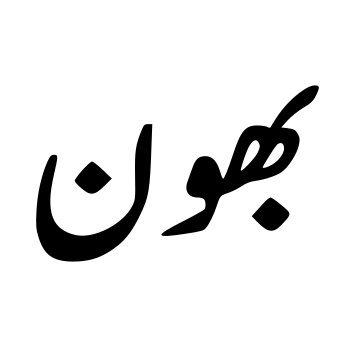
About Bhaun and this site
This site is about the town of Bhaun (بھون) in Chakwal District, Punjab, Pakistan — its history, heritage, culture and everyday life. It is a non-commercial, community-run project.
The town
Located in the fertile Dhan Valley just north of the Salt Range on the Pothohar Plateau, this market town served as the crossroads of the nearby villages of the Dhan, Vanhar and Soon valleys. For decades before Partition it was the largest trade centre of the district.
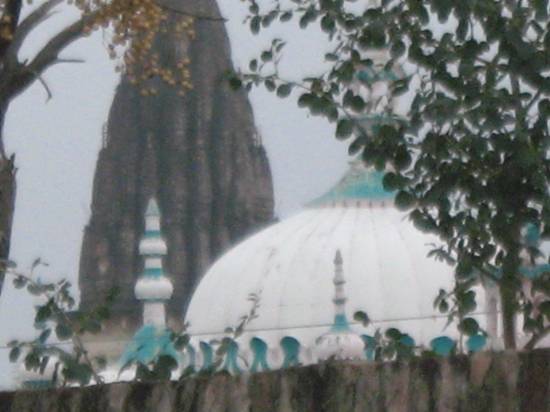
With an approximately equal distribution of Hindus and Muslims before the partition of India (1947), a few unused Hindu temples still stand, alongside grand havelis with carved wooden balconies, Sufi shrines, an old fort and a long-disused railway station. Modern Bhaun is populated mostly by descendants of the storied five Muslim clans that founded it in the Middle Ages.
The name 'Bhaun' comes from the Sanskrit 'Bhavan' (home, abode, palace) and there are two possible origins for the name:
- Bhavan Devi – a Hindu goddess
- Raja Bhawan Singh, grandson of Raja Dahir
What this site does
This website exists to record the history of Bhaun and preserve the memory of its monuments, traditions and notable people; to raise awareness of its fragile heritage and support efforts to conserve it; to share news, culture, nature and tourism writing of interest to residents and the wider diaspora; and to connect the people of Bhaun — at home and abroad — with the place of their roots.
A community effort
Much of the material here is gathered from published histories, newspaper archives, photographs and the recollections of residents, with due credit to original sources. If you have old photographs, documents or family histories connected with Bhaun, we would be delighted to hear from you — see the Contact page.
Subscribe for News
Join the Bhaun community to be kept up-to-date by email.