
Chakwal's Oldest Village Losing Its Historic Sites
A 2015 Dawn report documented how Bhoun's 700-year-old temples and ponds are decaying through neglect and misuse, even as its havelis survive.


To the south of Chakwal lies its oldest village, Bhoun. Stretching on both sides of the Chakwal–Sargodha road, it still keeps its cultural touch — the bulls' contest (Jalsa) and the traditional weight-lifting game (Chhat) remain in vogue alongside modern life. The village is dotted with grand houses, havelis, ponds, temples and old trees. Yet, as a 2015 report in Dawn by Nabeel Anwar Dhakku documented, much of this heritage is quietly disappearing.
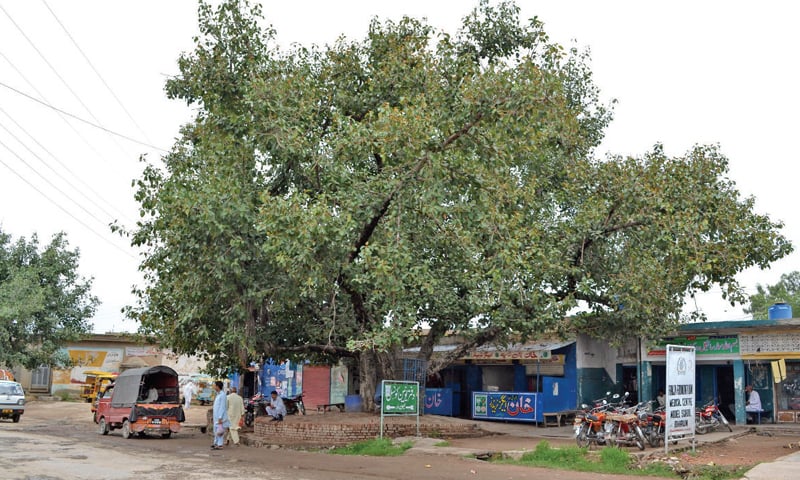
A 700-year-old town built by Hindus
According to the late Professor Anwar Beg Awan — Chakwal's renowned historian, who himself hailed from Bhoun — the town came into existence some 700 years ago and was established by Hindus, whose main livelihood was trade. For decades it remained the largest trade market in the district. The havelis and grand houses, occupied after Partition by Muslim migrants, largely survive in good shape; the temples and sacred ponds have not.
Decay, neglect and misuse
The report painted a sobering picture. The vast lands attached to ponds and temples have been occupied by influential residents. Some temples were razed in reaction to the demolition of the Babri Mosque. Of those that remain, one (the Shawala Mandar) has been leased out; another in Mohalla Kochar has been turned into a cattle-pen; a temple near the Madhu Wali Ban pond is being used as a toilet; and another in Mohalla Pind serves as a store for dung-cakes. The sacred ponds have been rendered dry — the Gurdas Ban was filled in with soil on the order of a former union-council nazim.
Two landmark havelis still stand in their grandeur: the Janj Ghar, built by Bikram Jeet about 200 years ago, with twelve rooms and two facing verandas; and the Marri, a fourteen-room mansion with wooden ceilings, painted pillars and balconies, built by Rai Bahadur Sardar Jai Singh in the third decade of the twentieth century.
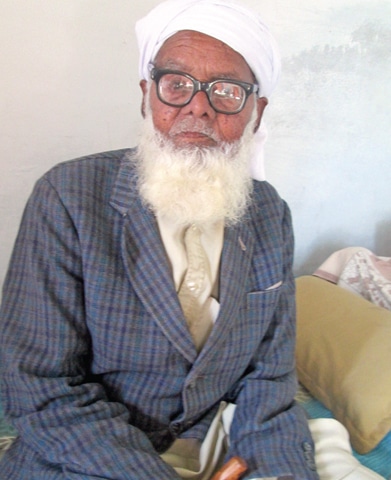
A plea for attention
A senior official of the Punjab Archaeology Department admitted the importance of these sites to Dawn: "It is our dilemma that we pay less attention towards our heritage," he said, adding that the department lacked the funds to preserve them. As the original report concluded, the crumbling landscape of Bhoun can still be saved — if those in authority look toward the plight of this rich cultural heritage.
Courtesy: Nabeel Anwar Dhakku, "Chakwal's oldest village losing its historic sites," Dawn, 16 August 2015. Photographs courtesy of Dawn.